Photo credit: healthjade.net

Almost everyone is guilty of spending an excessive amount of time on a screen and it is very common to feel symptoms of eyestrain and fatigue associated with digital use; this is known as Computer Vision Syndrome (CVS) or digital eye strain. As the name implies, excessive screen use causes stress on your eyes after reading or staring at a digital device for hours at a time. Some common symptoms of computer vision syndrome include eyestrain, headaches, dryness of the eyes, neck pain, and blurred vision over time.

Since it is unrealistic for us as optometrists to expect patients to avoid computers or excessive screen time, what are some ways to alleviate symptoms and avoid exacerbation of CVS? It is helpful to assess your desk or workstation for proper lighting and working distances. It is also important to be mindful of one’s posture throughout the day and ensure you are wearing proper visual correction such as glasses or contacts to avoid further eyestrain.

Photo credit: Ergomaker.com

Tips for avoiding eye strain

  1. Decrease the brightness of your screen
  2. Avoid letting yourself get closer to the screen throughout the day
  3. Take breaks (every 20 minutes look at something 20 feet away for 20 seconds)
  4. Wear an office or anti-fatigue lens while working
  5. Remember to blink consistently
  6. Stay hydrated

Following these simple tips will not only improve the way your eyes feel, but will naturally improve productivity, efficiency, and well-being throughout the day.

It’s not the most comfortable experience, but…

Photo by Mārtiņš Zemlickis on Unsplash

Dilation is a crucial component of your eye exam. Dilating drops enlarge your pupils to allow more light to enter the eye, giving the doctor a better view of the interior and back of your eye. Think of it as looking through a keyhole – the larger and wider the keyhole, the more you can see into the room behind the door.

Why is dilation important?

  1. It enables your optometrist to more accurately determine your prescription by unmasking the effect of accommodation.
  2. It helps to identify eye conditions in children, such as amblyopia (lazy eye).
  3. It helps detect retinal conditions, glaucoma, and other neurological conditions
Photo by v2osk on Unsplash

If it’s so important, why isn’t it done in every eye exam?

Although it is recommended for everyone, dilation is not absolutely necessary for all patients and situations. Dilation can cause blurry near vision and light sensitivity for several hours after the drops are applied. To determine if dilation is needed and appropriate, your optometrist considers several factors:

  1. Age. The risk of eye diseases increases with age, so dilation is highly recommended for adults/seniors. In children, it helps to determine a more accurate prescription that is not masked by their accommodation system.
  2. Ocular history/ Family history. Having a history of eye diseases can predict your risk for developing certain conditions. Genetics plays a role in many ocular diseases.
  3. Overall health. Diabetes, high blood pressure, and other systemic conditions increase the likelihood of developing eye problems.
  4. Presenting symptoms. Symptoms that draw patients into the exam room may warrant a dilated exam. Flashes, floaters, or curtain veil over vision warrant immediate dilation, as they can be a sign of a serious condition.
Image by rawpixel.com on Freepik

Why do I need to be fitted for contact lenses? Did you know your glasses prescription is different from your contact lens prescription? When an optometrist fits you for contact lenses, they are ensuring several things:

  • Your eye is healthy enough to be wearing contact lenses. Conditions such as dry eyes and allergic conjunctivitis need to be treated before you can wear contact lenses. Eye conditions such as corneal scars, dystrophies, and/or irregular surfaces may require a fitting with specialty lenses.
  • The contact lens is the right type for your life style. Based on your occupation, extracurricular activities, and other needs, we can help you determine whether dailies, bi-weekly, or monthly contact lenses will meet your needs.
  • Finding a comfortable fit with good vision. We take measurements of your eyes to fit you in a comfortable lens. Many companies make contact lenses, and each have a set of parameters they work with. We can check if a lens is too tight or too loose on your eyes, how the contact lens moves when you blink, and whether it is centered on your eye. We also ensure each eye sees well both at a distance and near.

In addition, we first train new contact lens wearers on how to safety insert and remove contact lenses. We will go over the cleaning process, to ensure that lenses are handled safely because any buildup of proteins and debris on the lenses can cause damage to the cornea.

Photo by FORMAT arw on Unsplash

Macular degeneration is a condition that affects our macula – the spot on our retina responsible for crisp central vision and color vision. As we age, debris can build up in the macula and create deposits known as ‘drusen’. The drusen are the first signs that macular degeneration are present and can cause blurry vision and distortion to one’s vision.

Symptoms to look out for:

  • Visual distortion (straight lines seem bent)
  • Trouble adapting to low light (eg. when entering a dark room)
  • Reduced intensity/ brightness of colors
  • Need for brighter light when reading/working
  • Blurriness of printed words
  • Difficulty recognizing faces
Adapted from: Photo by Senjuti Kundu on Unsplash

Who gets macular degeneration?

This condition is most common in patients over 60 years old. Some other risk factors are those with high blood pressure, family history, smokers, Caucasian patients, cardiovascular disease, and obesity.

How can I prevent macular degeneration?

Maintaining a healthy lifestyle, including diet and exercise is the best way to ensure your eyes stay healthy for as long as possible. The AREDS 2 study has shown that certain vitamins are beneficial in preventing the progression of macular degeneration, however, these vitamins have the best effect in patients who have already began to show signs of macular degeneration.

It is important for everyone to get their eyes examined yearly in order to be able to see as clearly as possible, as well as check for any signs of eye disease or conditions that can affect one’s overall health in addition to the eyes.

Photo by Vlad Sargu on Unsplash

What is a cataract?

If we are lucky to live long enough, we will develop cataracts. A cataract is a clouding of the lens in our eye. Think about the process of cooking an egg, instead of being clear, the egg becomes white and cloudy.

Similarly, our lens becomes white and cloudy due to damage from the sun and UV rays. This is why it is important to wear sunglasses, hats, and UV protection when we are outside. These preventative measures can slow or delay the process of developing cataracts.

Photo by Jonathan Cooper on Unsplash

How will I know when it’s time to remove a cataract?

When vision is substantially affected, usually 20/40 or worse, or when it becomes difficult to drive at night due to glare from headlights, along with the appearance of the cataract itself, is when your optometrist will recommend surgical removal of the cataract.

Can cataracts be prevented?

Unfortunately, there is no way to predict who will get cataracts at what age, and how fast they will progress, but the best way to delay the development of cataracts is to wear sunglasses, and use UV protection when outdoors. Fortunately, cataract surgery is an elective surgery that is not urgent. Overall, cataracts are very common diagnoses and are not a big cause for concern.

Photo by Taylor Sondgeroth on Unsplash

Blinking is an involuntary reflex which does not require much thought throughout our day. Even though blinking seems simple, it is very important. And believe it or not, there is a correct way to blink.

Why is blinking so important?

  • Protects our eyes from debris and foreign objects
  • Creates a smooth surface for light to enter our eye and land on our retina for clear vision
  • Keeps our eyes moist and spreads tear film evenly

The 20/20/20 Rule

Our blinking pattern can be disrupted throughout the day when we are staring at a screen for too long and doing continuous near work. Optometrists recommend the 20/20/20 rule for everyone, especially those with too much screen time. The 20/20/20 rule means taking a break every 20 minutes to look 20 feet away for 20 seconds.

There is a right way to blink

We want to ensure that when we blink, it is a complete blink. This means that our top eyelid should touch our bottom eyelid. It is very common for people to blink only halfway or not close their eyes completely while asleep. This can be a problem since it exposes the bottom half of our eye and does not allow our tears to be expressed as efficiently. As you may guess, this leads to dry eye symptoms.

Incorporating the 20/20/20 rule and being more conscious about the way we blink can go a long way in helping our eyes feel less dry throughout the day.

Photo by Al Soot on Unsplash

Many patients are concerned about a constant “black dot” floating in their line of sight. Most tend to notice that it worsens when looking at a blank wall, bright lights, or the sky. Although quite bothersome, it is a very common complaint.

The eye is filled with a gel-like substance called vitreous, which allows the eye to keep its shape. Over time, the proteins within this gel begin to clump up and solidify, leading to formation of “floaters”.

Floaters can occur in one eye or both eyes. Typically, floaters are a benign finding. However, it becomes worrisome when the vitreous is strongly adhered to and pulls on the retinal layers. It could potentially lead to retinal holes, tears, or potentially a retinal detachment. These occurrences could be detrimental to vision, so it is important to see your optometrist immediately if these symptoms arise.

Symptoms to look out for:

  • A sudden increase in the number of floaters
  • Flashes of light
  • Curtain over vision

How are floaters treated?

Unfortunately, there is no way to remove floaters unless you surgically remove the entire vitreous. This procedure has more risks than benefits and it typically not done to treat this condition. The good news is that, with time, the brain gets accustomed to the floaters and is able to ignore them, allowing them to become less bothersome and noticeable.

Photo credit: Casey Horner on Unsplash

Retinitis pigmentosa (RP) is an inherited eye disorder that affects the retina – the back of our eyes responsible for capturing light and sending visual signals to the brain. The condition, which is inherited through genetic mutations, can lead to gradual loss of vision as the photoreceptor cells within the retina deteriorate over time. While some individuals may experience slow vision loss over decades, others might face more rapid deterioration.  

Symptoms

One of the most distinctive symptoms of RP is night blindness, where individuals struggle to see in low-light conditions or darkness. As RP progresses, it often causes tunnel vision, a narrowing of the visual field, and can even impact color perception.  

Treatment

No cure currently exists for RP, but researchers are actively exploring possibilities. Gene therapy aims to introduce normal genes into the retina to replace the mutated ones. Another avenue of research is retinal implants, which seeks to restore vision by using electronic devices to stimulate the remaining normal cells.  

Individuals with RP should work closely with eye care professionals to manage their condition. Regular eye exams help track disease progression and determine the best strategies for preserving vision. Additionally, patients can explore low-vision aids and technologies that improve daily life.

What is Myokymia?

Have you ever been going about your daily life when your eyes decide to give you a bad day? Have you ever experienced that annoying twitch in your eye that just won’t go away?

Eye twitching, or myokymia, is a relatively common condition. They are involuntary twitches and spasms in either your upper or lower lid, usually affecting only one at a time. Sometimes, they might not even be noticeable! Myokymia will usually go away on their own in a short amount of time.

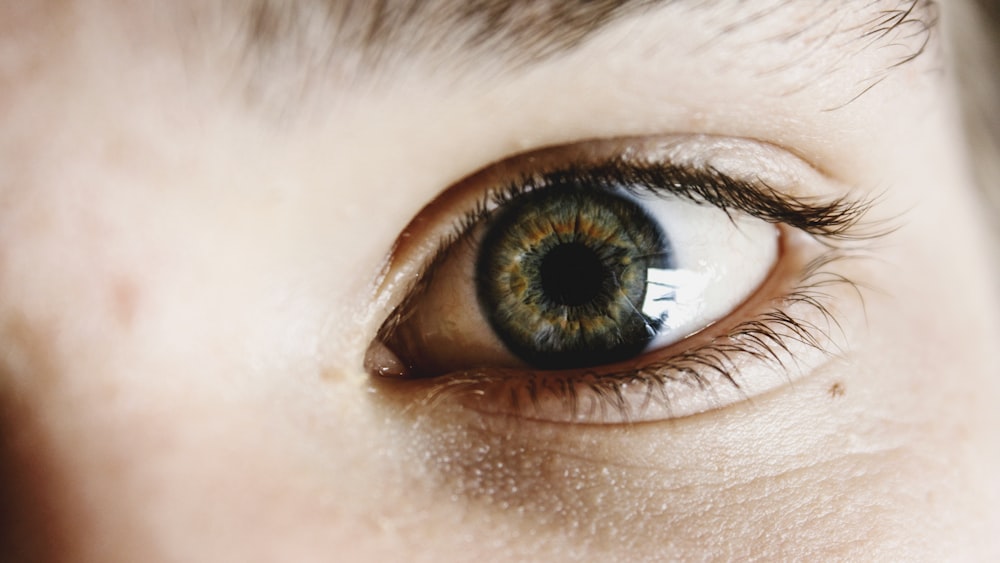
right human eye
Source: Liam Welch via Unsplash

What would usually cause myokymia? Like you may expect, many lifestyle choices impact your risk. Eyelid twitching can be caused by:

  • Stress
  • Fatigue
  • Irritation of the eye
  • Allergies
  • Alcohol
  • Bright lights
  • Excess caffeine
  • Smoking
  • Change of diet
  • New medication

To lessen your chances of having this annoyance in your life, be sure to take care of yourself and rest your eyes regularly. If you are going to be looking at a bright screen for an extended period, make sure to look away every once in a while. You can also apply hydration eyedrops before doing so.

What can I do to relieve my symptoms?

If you are experiencing myokymia already, you can ease the discomfort by gently massaging the area. Cold compresses with a towel would also help relieve the symptoms, and we would also advise the following:

  • Tonic water with quinine (a muscle relaxant)
  • Magnesium-rich foods such as avocados, nuts & seeds, and various whole grain foods

If your myokymia becomes more serious, you can also Botox treatment. If the condition doesn’t go away within a few days and occurs more frequently, it would be best to seek advice from your medical doctor or optometrist. It’s never a bad idea to double-check and make sure it isn’t part of anything serious!

Should you have any concerns regarding your eye health, you can book an appointment with Eyelab. You can also get in touch by calling us at +1 (604) 260-1166 or via email at frontdesk@helloeyelab.com.

Photo by Sigmund/ Unsplash

The cornea plays a crucial role in focusing light onto the retina. In individuals with keratoconus, the cornea progressively thins and bulges, taking on a cone-like shape. As a result, vision becomes distorted and blurry, often accompanied by nearsightedness and astigmatism.  

Symptoms

Keratoconus doesn’t appear overnight; rather, it develops gradually, usually during adolescence or early adulthood. As the condition progresses, several symptoms become noticeable:

  1. Blurry and Distorted Vision
  2. Light Sensitivity
  3. Prescription Changes
  4. Halos and Glare
  5. Eye Strain and Headaches

Treatment

Treatment options vary depending on the severity of the condition, but may include

  • Eye glasses
  • Soft contact lenses
  • Rigid Gas Permeable (RGP) lenses
  • Surgical interventions like collagen cross-linking or corneal transplant

If you suspect you have keratoconus or experience any unusual changes in your vision, it’s crucial to consult an eye doctor. Early diagnosis and appropriate management can make a significant difference in preserving your vision and overall well-being.