Myopia, or nearsightedness, is a condition which causes distant objects to appear blurry. It is a particular concern with children, because myopia results in the lengthening of the eyeballs. As children’s eyes continue to grow, so does the progression of myopia. As a result, the retinal tissues gradually stretch, which can increase the risk of eye diseases later in life. Luckily, CooperVision’s MiSight 1 day lenses are an effective and child-friendly solution to managing myopia progression!
Source: CooperVision
它们如何工作?
The MiSight 1 day lenses are the first soft contact lenses proven to slow down the progression of myopia, through the use of ActivControl technology. When inserted on the eye, the center of the lens improves distance vision by correcting the refractive error and the concentric peripheral rings allow for myopic defocus. This defocusing is what is believed to reduce further lengthening of the eyeball, effectively impeding the progression of myopia. Not only have the MiSight 1 day lenses been clinically proven to slow down the progression of myopia by 59%, they are also comfortable to wear and easy to handle. In a three-year long study conducted on the MiSight 1 day lenses on children ages 8 -15 years, 90% of children reported that they preferred their MiSight 1 day lenses compared to their glasses and 90% of children were able to insert and remove the lenses on their own. Further, 100% of parents stated that their children were happy with their overall experience with the MiSight 1 day lenses, including the comfort, vision, ease of use, and freedom from glasses!
Curious to see if MiSight lenses are right for your children? Book an appointment with Eyelab to chat with one of our doctors. You can also get in touch by calling us at +1 (604) 260-1166 or via email at frontdesk@helloeyelab.com.
Have you ever been going about your daily life when your eyes decide to give you a bad day? Have you ever experienced that annoying twitch in your eye that just won’t go away?
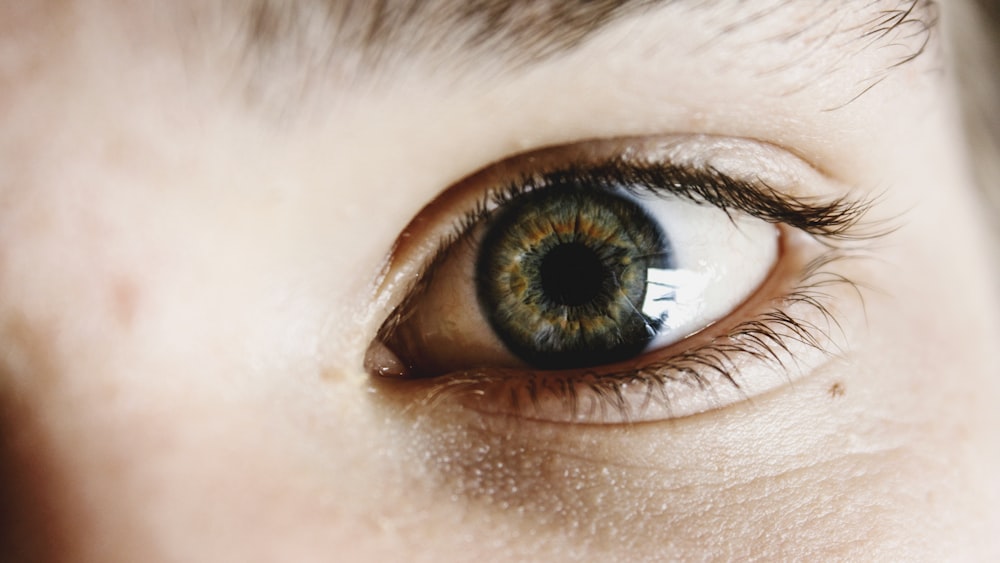
Eye twitching, or myokymia, is a relatively common condition. They are involuntary twitches and spasms in either your upper or lower lid, usually affecting only one at a time. Sometimes, they might not even be noticeable! Myokymia will usually go away on their own in a short amount of time.
Source: Liam Welch via Unsplash
What would usually cause myokymia? Like you may expect, many lifestyle choices impact your risk. Eyelid twitching can be caused by:
压力
Fatigue
Irritation of the eye
过敏
Alcohol
Bright lights
Excess caffeine
Smoking
Change of diet
New medication
To lessen your chances of having this annoyance in your life, be sure to take care of yourself and rest your eyes regularly. If you are going to be looking at a bright screen for an extended period, make sure to look away every once in a while. You can also apply hydration eyedrops before doing so.
What can I do to relieve my symptoms?
If you are experiencing myokymia already, you can ease the discomfort by gently massaging the area. Cold compresses with a towel would also help relieve the symptoms, and we would also advise the following:
Tonic water with quinine (a muscle relaxant)
Magnesium-rich foods such as avocados, nuts & seeds, and various whole grain foods
If your myokymia becomes more serious, you can also Botox treatment. If the condition doesn’t go away within a few days and occurs more frequently, it would be best to seek advice from your medical doctor or optometrist. It’s never a bad idea to double-check and make sure it isn’t part of anything serious!
The cornea plays a crucial role in focusing light onto the retina. In individuals with keratoconus, the cornea progressively thins and bulges, taking on a cone-like shape. As a result, vision becomes distorted and blurry, often accompanied by nearsightedness and astigmatism.
Symptoms
Keratoconus doesn’t appear overnight; rather, it develops gradually, usually during adolescence or early adulthood. As the condition progresses, several symptoms become noticeable:
Blurry and Distorted Vision
Light Sensitivity
Prescription Changes
Halos and Glare
Eye Strain and Headaches
Treatment
Treatment options vary depending on the severity of the condition, but may include
Eye glasses
Soft contact lenses
Rigid Gas Permeable (RGP) lenses
Surgical interventions like collagen cross-linking or corneal transplant
If you suspect you have keratoconus or experience any unusual changes in your vision, it’s crucial to consult an eye doctor. Early diagnosis and appropriate management can make a significant difference in preserving your vision and overall well-being.