Dry eye is a disease pertaining to the ocular surface and instability of the tear film, potentially resulting in inflammation, dryness, or damage. Symptoms of this include burning, itching, dryness, photophobia, tiredness, and blurry vision.

Diagram of Conjunctiva, Lacrimal Gland, and mucus, water and oil layers of Tear Film in the eye
Source: American Academy of Optometry

Dry eye disease (DED) include two distinct types: aqueous deficient dry eye (ADDE) and evaporative dry eye (EDE). In ADDE, high levels of tear evaporation results when lacrimal secretion is reduced although there is normal evaporative conditions from the eye. Comparatively, in EDE, the lacrimal glands function normally, and the increased evaporation of tears is caused by the exposed tear film. Some patients might even have a mixed form of DED as well.

Risk factors for DED include connective tissue disease, Sjögren syndrome, androgen deficiency, Lasik eye surgery, certain environmental conditions (ie. pollution and low humidity), medication use (ie. antihistamines and antidepressants), computer use, and contact lens wear (which has an affect on tear film hemostasis and reduces its thickness). Research has shown that the outbreak of Covid-19 has also contributed to an increase in the likelihood of DED. Covid-19 has resulted in prolonged electronic usage and less outdoor activities, with a reported 44% increase in smartphone usage. Excessive focus on a screen decreases blink rate, decreasing the moisture production in the eye. This causes strain on the ocular surface, and this stress is greater in contact lens users.

Some recommendations for management and treatment of dry eye disease include ocular lubricants (eye drops of various types), warm compresses, expression of the meibomian glands (a process which we offer at Eyelab), lid hygiene, and prescribed drugs.

Source: Towfiqu Barbhuiy on Unsplash

At Eyelab, we have the skill and the technology to accurately provide you a solution corresponding to your unique situation. Book an appointment today to learn more about how we can help!


Myopia, or nearsightedness, is a condition which causes distant objects to appear blurry. It is a particular concern with children, because myopia results in the lengthening of the eyeballs. As children’s eyes continue to grow, so does the progression of myopia. As a result, the retinal tissues gradually stretch, which can increase the risk of eye diseases later in life. Luckily, CooperVision’s MiSight 1 day lenses are an effective and child-friendly solution to managing myopia progression!

Source: CooperVision

How do they work?

The MiSight 1 day lenses are the first soft contact lenses proven to slow down the progression of myopia, through the use of ActivControl technology. When inserted on the eye, the center of the lens improves distance vision by correcting the refractive error and the concentric peripheral rings allow for myopic defocus. This defocusing is what is believed to reduce further lengthening of the eyeball, effectively impeding the progression of myopia. Not only have the MiSight 1 day lenses been clinically proven to slow down the progression of myopia by 59%, they are also comfortable to wear and easy to handle. In a three-year long study conducted on the MiSight 1 day lenses on children ages 8 -15 years, 90% of children reported that they preferred their MiSight 1 day lenses compared to their glasses and 90% of children were able to insert and remove the lenses on their own. Further, 100% of parents stated that their children were happy with their overall experience with the MiSight 1 day lenses, including the comfort, vision, ease of use, and freedom from glasses!

Curious to see if MiSight lenses are right for your children? Book an appointment with Eyelab to chat with one of our doctors. You can also get in touch by calling us at +1 (604) 260-1166 or via email at frontdesk@helloeyelab.com.

Dr. Sherman Tung

Dr. Sherman Tung
OD FAAO FIAOMC

Optometrist | Orthokeratology + Myopia Management
T 6042601166
E drsherman@helloeyelab.com

What is Myokymia?

Have you ever been going about your daily life when your eyes decide to give you a bad day? Have you ever experienced that annoying twitch in your eye that just won’t go away?

Eye twitching, or myokymia, is a relatively common condition. They are involuntary twitches and spasms in either your upper or lower lid, usually affecting only one at a time. Sometimes, they might not even be noticeable! Myokymia will usually go away on their own in a short amount of time.

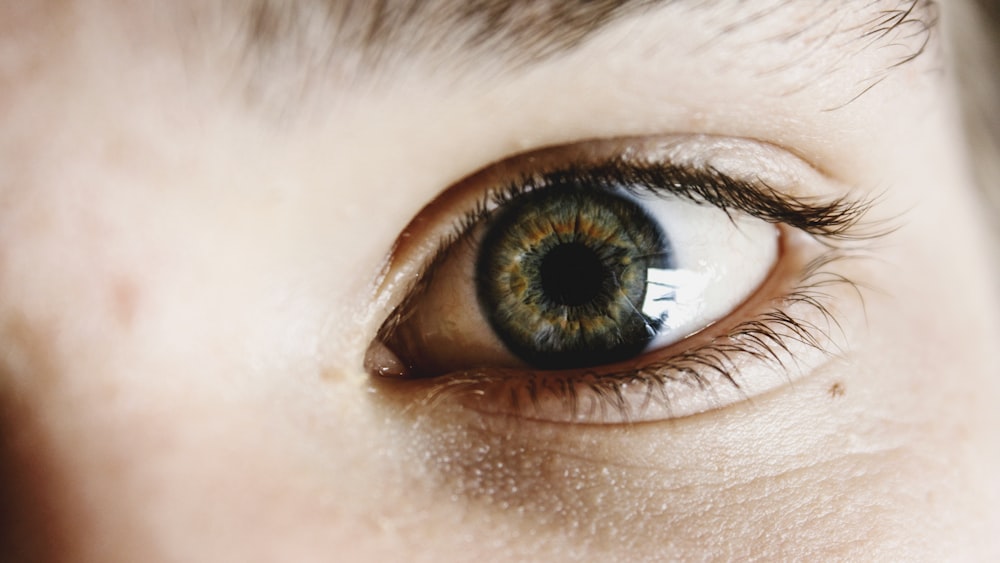
right human eye
Source: Liam Welch via Unsplash

What would usually cause myokymia? Like you may expect, many lifestyle choices impact your risk. Eyelid twitching can be caused by:

  • Stress
  • Fatigue
  • Irritation of the eye
  • Allergies
  • Alcohol
  • Bright lights
  • Excess caffeine
  • Smoking
  • Change of diet
  • New medication

To lessen your chances of having this annoyance in your life, be sure to take care of yourself and rest your eyes regularly. If you are going to be looking at a bright screen for an extended period, make sure to look away every once in a while. You can also apply hydration eyedrops before doing so.

What can I do to relieve my symptoms?

If you are experiencing myokymia already, you can ease the discomfort by gently massaging the area. Cold compresses with a towel would also help relieve the symptoms, and we would also advise the following:

  • Tonic water with quinine (a muscle relaxant)
  • Magnesium-rich foods such as avocados, nuts & seeds, and various whole grain foods

If your myokymia becomes more serious, you can also Botox treatment. If the condition doesn’t go away within a few days and occurs more frequently, it would be best to seek advice from your medical doctor or optometrist. It’s never a bad idea to double-check and make sure it isn’t part of anything serious!

Should you have any concerns regarding your eye health, you can book an appointment with Eyelab. You can also get in touch by calling us at +1 (604) 260-1166 or via email at frontdesk@helloeyelab.com.

Photo by Sigmund/ Unsplash

The cornea plays a crucial role in focusing light onto the retina. In individuals with keratoconus, the cornea progressively thins and bulges, taking on a cone-like shape. As a result, vision becomes distorted and blurry, often accompanied by nearsightedness and astigmatism.  

Symptoms

Keratoconus doesn’t appear overnight; rather, it develops gradually, usually during adolescence or early adulthood. As the condition progresses, several symptoms become noticeable:

  1. Blurry and Distorted Vision
  2. Light Sensitivity
  3. Prescription Changes
  4. Halos and Glare
  5. Eye Strain and Headaches

Treatment

Treatment options vary depending on the severity of the condition, but may include

  • Eye glasses
  • Soft contact lenses
  • Rigid Gas Permeable (RGP) lenses
  • Surgical interventions like collagen cross-linking or corneal transplant

If you suspect you have keratoconus or experience any unusual changes in your vision, it’s crucial to consult an eye doctor. Early diagnosis and appropriate management can make a significant difference in preserving your vision and overall well-being.

Photo by Josh Hemsley on Unsplash

Did your routine eye exam go well? Do you have 20/20 vision? That’s great! However, there’s so much more to vision than seeing with perfect acuity. In fact, seeing 20/20 is only 1 of 17 different visual skills we have. Routine eye exams do not usually cover all of these skills since they tend to focus on ocular health and visual acuity. Skills such as eye tracking, eye teaming, and eye focusing can be measured using a different set of tests that is done during a Functional Vision Assessment (FVA).

Here is a summary of some visual skills that you need in everyday life. FVAs test all of these skills and more.

Visual SkillWhat Is ItExample
Fixationbeing able to hold focus on one main targetfinding an object and maintain eye contact with it
Pursuit (Moving Targets)being able to focus and follow moving targets without moving one’s headwatching a ball through the air
Saccades (Jumping)being able to jump from one object to anotherreading; you usually read one to three words at a time and then move on to the next set of words
Accommodation (Eye Focusin)being able to focus light that enters the eyes seeing an image that’s close to you then looking at an object far away right away
Binocular (Eye Teaming) coordinating both your eyes together as an object is moved from far to near and vice versa watching a moving target come close and moving far away

If you have trouble focusing on objects or have recently been in an accident that have impaired your visual skills, a FVA and Vision Therapy might be an option for you. During vision therapy, you are given the opportunity to improve these visual skills.

If your visual skills are adequate, you can actually improve them further! This is especially applicable if you play competitive sports. Many activities in vision therapy are directly applicable to sports such as basketball, volleyball, football and soccer. It can improve your reaction time, hand eye coordination, and visualization. If you have any questions, feel free to reach out we will be more than happy to provide you with more information.

Photo by New Africa/ Shutterstock

Migraines are often associated with pounding headaches, but they can also affect your vision. Ocular migraines, also known as retinal migraines or visual migraines, are a unique type of migraine that primarily manifests as visual disturbances. This means that the symptoms revolve around your eyes and the way you perceive the world around you. The visual disturbances associated with ocular migraines are short-lived, lasting less than an hour.  

Visual disturbances can include:

  • Flickering lights
  • Shimmering or zigzag lines
  • Temporary blind spots
  • Momentary loss of vision in one eye

Triggers can include:

  • Stress
  • Hormonal fluctuations
  • Specific foods
  • Exposure to bright lights, or even distinct patterns

Although ocular migraines are relatively benign, it’s essential to distinguish them from more serious conditions that can cause similar visual disruptions, such as retinal detachment.

Always seek prompt medical attention if you experience sudden visual changes.

Are your ortho-K contact lenses or RGP lenses are starting to get irritating and uncomfortable? Ever feel like there is a foggy blur over your vision? Looking for an easy and effective way to deep clean your lenses? Here at Eyelab, one of our staff’s favourite products is the Progent Lens Cleaner.

How does it work?

Progent cleans lenses by loosening and removing protein deposits that build up on our contact lens over time. It effectively removes surface proteins on all ortho-K contact lenses and RGP lenses without the need for manual rubbing, which may damage the lenses. This product not only improves the comfort of lens-wear, it also helps maintain eye health and prolongs the life of your lenses. Progent deep cleans lenses much more effectively than daily cleaning products.

It comes with two solutions: Progent A (sodium hypochlorite) and Progent B (potassium bromide), which work together in an oxidation-reduction reaction to deep clean surface coatings without the abrasives or mechanical rubbing used in typical cleaning. In just thirty minutes, it effectively disinfects against all organisms that are likely to contaminate lenses, including yeast, mold, bacteria, and viruses.

Source: Menicom.com

At this point, you may be wondering how many complicated steps come with this cleaner? The easy answer is, just mix the A and B solutions, shake, and wait! Simply soak your lenses for 30 minutes – no rubbing required. By using this cleaner every 3 months (or more frequently if needed), your contact lenses can stay polished and well-maintained to better serve your vision.

When ensuring optimal health for your child, it is crucial to include eye exams as a routine component. As a parent, it may be unclear what to expect. Fear not! Here we outline all the information you must know before your toddler’s eye exam.

Why should my toddler’s eyes be checked?

A vision examination is a very important step in preparing children for their first day of school. As toddlers increasingly engage with their surroundings, they require the use of their eyes to focus on objects near and far, coordinate body movements, and of course to read and learn. Any vision problems need to be detected and treated before they lead to a learning and/or behaviour problem.

Source: @Karelnoppe Getty Images

It is important to have annual check-ups to monitor the overall health of your child’s eyes and determine if glasses are needed to see. In addition, how well the eyes move when reading, how well they work together, as well as how easily and quickly they can change focus from looking at a book to looking at the board.

What to expect in a toddler/preschool eye exam

This exam will likely involve more subjective questions and answers compared to infant exams, as your child may be mature enough to describe pictures, letters and their surroundings. The exam may end up being longer as we are able to do more testing.

In a typical eye exam for toddler/preschoolers, one can expect:

  • The child to either sit on a parent/guardian’s lap, or on their own in the exam chair
  • Identify different shapes, pictures, words, or letters
  • Following and looking at different objects or lights
  • Lights shone into the child’s eyes

What are the optometrists looking for during the eye exam?

  • Prescription
    • Are they farsighted or nearsighted? How much?
    • Is there a large difference between the two eyes?
      • For example, your child may have large amounts of far-sightedness in one eye but none in the other
      • It is important to note, children are unlikely to complain about this phenomenon because they cannot tell the difference
      • Large prescription differences between both eyes may require an optometrist to put in eye drops to get a more accurate assessment
  • Binocular vision
    • How well the eyes focus and team together
    • How well the eyes track when reading and follow a moving object
    • Is their eye straight? Turned in? Turned out?

What to look for as a parent

It is important to observe your child’s eyes in order to determine any concerns worth bringing up.

Symptoms to look for and consult an eye doctor if observed:

  • Excessive rubbing of eyes
  • Eye redness, watery, discharge
  • Eye turns – either in or out
  • Closing an eye
  • Clumsy – bumping into objects in their surroundings
  • Developmental delays can be a sign of vision issues
    • Delayed walking
    • Poor coordination

What can parents do to help ensure their toddler learns to see well?

  • 12 – 18 months
    • Language is developing quickly: use names for actions and objects
    • Engage in water and sand play with containers, cups, pails, plastic bottles
    • Provide crayons and large sheets of paper for creative scribbling
  • 18 – 24 months
    • Build towers and structures
    • Provide toys to put together/take apart
    • Challenge child to with obstacle courses of furniture and pillows
  • 2 years – 3 years
    • Running, tumbling, climbing
    • Encourage drawing and creating
    • Assist as beginning to classify objects, colours, shapes
  • 3 years – 4 years
    • Challenge child to dodge, throw, stop/go, turn sharp corners
    • Encourage manipulatives, puzzles, hidden pictures, sames/differences
    • Give time for drawing, colouring, activities with clay and play-dough
    • Read lots of books and stories together

Interested in bringing your child in for an eye exam at Eyelab? Book an appointment today!

In a previous post, I talked about my experience with laser eye surgery in 2014. Now, eight years later, I am extremely happy about my decision to undergo the surgery. My vision is still stable at 20/20 however I still experience dry eye from time to time.

One of the biggest pros of the surgery is being able to wake up in the morning and immediately see clearly. This surgery allowed me to tend to my twin daughters better in the middle of the night without having to find my glasses first. I also no longer have to worry about getting my contacts or glasses coming out when playing ultimate frisbee or during other physical activities. A smaller change in my life that I started to appreciate after the surgery was that I longer need to carry around microfiber cloths to clean my glasses.

However, now that I am reaching the age in which the effects of presbyopia (the gradual loss of your eyes’ ability to focus on nearby objects) becomes more prominent, I may need to use reading glasses. Overall, I am very glad I decided to get PRK and I have no regrets about it!

Book an appointment at Eyelab to learn more about whether you’re a candidate for laser eye surgery, and to discuss any questions or concerns you may have!

Are you interested in laser eye surgery but not sure if you are a suitable candidate or have doubts about the risks and side effects? Here is a general guideline about laser eye surgery to help you with your decision.

Source: Unsplash.com

Am I A Good Candidate?

  • Are you over the age of 18?
  • Is your prescription stable?
  • Is your cornea thick enough?
  • Are your eyes in good health?

If you can answer yes to these questions you are likely a good candidate for laser eye surgery!

What are the risks or side effects?

Just like all surgical procedures, there are risks. However, when performed by an experienced surgeon, the risk of complications is quite low.

The most common risks and side effects are:

  • Undercorrection or overcorrection: occurs when the refractive error was not fully corrected or corrected more than intended. Both cases can lead to blurry vision but can be fixed by an enhancement procedure.
  • Corneal haze: a clouding of the cornea during the healing process and may cause blurry vision. Corneal haze eventually disappears on its own but may take months or years.
  • Dry eye: eyes may be dry for the first few months after surgery.
  • Irritation and sensitivity to bright lights: both are extremely common after surgery and typically lasts for a few days but subsides as the eyes heal.

If you are unsure about any of these questions, please visit us for an eye exam and we can address further questions or concerns about your suitability.