What is Latisse and Does it work?

You might have heard of Latisse, an eyelash serum promising to deliver naturally longer, thicker, fuller lashes. But what is this magical product and does it work?

Bimatoprost, the active ingredient in Latisse, was originally a prescription medication used to lower eye pressure for glaucoma patients. One peculiar side effect soon caught the attention of eye doctors: patients reported increased eyelash growth during use. Pharmaceuticals quickly took advantage, rebranding the medication for its eyelash enhancing properties. The serum has been on the market since its FDA approval in 2008, claiming to be the secret behind natually lush lashes.

Eyelashes, like other body hair, move through a growth cycle: sprouting, growing, and eventually falling out. Research suggests that Latisse works not only by prolonging the growth phase, which allows eyelashes to grow longer and darker, but also increasing the number of hairs that sprout.
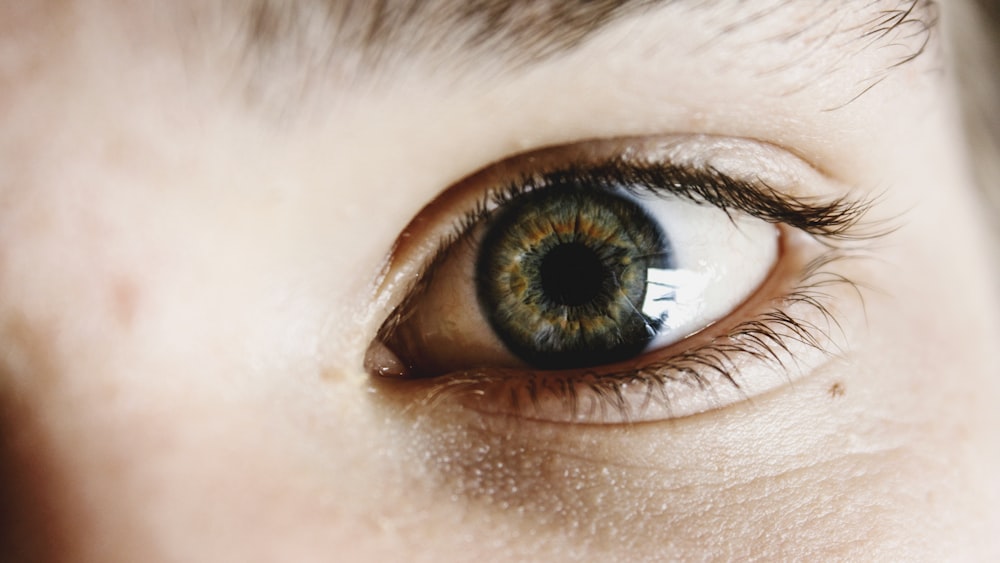
right human eye
Source: Liam Welch (via Unsplash)

Why use Latisse?

For many people, Latisse is a safe, effective, and convenient alternative to mascara or eyelash extensions, which each has its associated costs and risks. Latisse serum comes with a simple brush applicator that users apply to their lash line once a day, at night. It is an easy-to-use at home treatment that shows results in as little as 4 weeks, and maintains results as long as it’s being used. Studies have shown that after 16 weeks of use, eyelash length increased by 25%, and thickness/fullness increased by 106%!

Potential side effects to consider

Latisse is safe to use for most people, but some may experience the following side effects:

  • Dryness or redness of the eyes
  • Darkening of skin around the lashes
  • In rare cases, changes in eye color

The side effects are not permanent and will resolve when Latisse is discontinued.

Want to try Lattise?

Latisse is a medication and requires a prescription from a doctor. If you are interested or have questions, please book a consultation with our doctors to see if Latisse is suitable for you.

Did you know that up to 80% of a child’s learning comes from vision? If your child can read the board from the back of the room, that’s great, but it does not translate to seeing what’s written on the board and processing it properly.

As a child grows up, their brain and eyes work together to develop their binocular vision skills. For example, saccades or “jumping” is an important visual skill for reading. Jumping is being able to quickly move your eyes from one object to the next and when one reads, they usually read one to three words at a time before moving on to the next set of words.

The eyes and brain must work together to process information that is given to us. For example, if a child has difficulty seeing two similar letters (p and q, d and b) they may have visual discrimination issues. If a child is constantly bumping into things or has difficulty colouring within the lines, they may have visual-motor integration issues. This all means that the eyes and the brain are not working together properly to perform these tasks.

When should you be concerned? If you notice your child losing their place when reading, seeing double or having an extremely short attention span, there may be a visual skills or processing problem. In comprehensive eye exams, up to 50% of these vision related problems are missed just because the exams tend to focus on other ocular diseases.

At Eyelab, we perform Functional Vision Assessments and Developmental Vision Analyses that will test these skills that are not usually assessed in regular eye exams. After testing, you are given a comprehensive report of what tests were performed and the results from each test. The report will also include recommendations on how your child can improve his/her visual deficiencies. Vision therapy may be recommended to improve on any of the deficient visual skills.

Most parents always inquire tips on how to help their children with their screen time. Here are a couple of recommendations we always share with our patients.

  1. Spend 2 hours a day outdoors (Studies have shown it can slow down the initiation of myopia progression)
  2. Spend less than 1 hour of screen time per day if it is not related to school work.
  3. Proper lighting. Make sure your room eliminates any glare from external sources such as the windows.
  4. Blink! We usually blink about 15 times a minute. When we are performing a near task, we blink about 3 times a minute which can cause dry eye/irritation to our eyes.
  5. Monitor placement. Make sure your computer is 15-20 degrees below eye level and your computer is approximately 40-75cm away
  6. Avoid reading or using a cell phone in bed.
  7. Practice the 20/20/20 rule. 20 minutes close up work, 20 seconds break and look at an object at least 20 feet away.

If you are worried about your child’s vision or eye health, please book an appointment with us.

We can help!

Photo by bady abbas on Unsplash

Of the many patients that have visited me with their main complaint being about a burning sensation in their eyes or their eyes feel very dry, most of them typically have clogged oil glands. A portion of my patients have been previously misdiagnosed with blepharitis when it was actually Demodex. What is Demodex? It is a mite that resides in the eyelashes’ hair follicles which causes itchiness, scaling of the eyelids, irritation and recurrent styes.

How did I get them?

It’s part of our normal flora – some patients will experience more and some less. It isn’t something we can completely get rid of, but we can manage it. When the population hits a critical mass, this is where we see problems arising in our ocular system.

What can we do?

The best treatment is a course of tea tree oil to manage and limit the population. We use Cliradex and products from We Love Eyes to help clear these mites. Most of these treatments take about 5 weeks. The treatment plan consists of the initial 2 weeks to kill the mites and then latter 3 weeks to kill the rest of the eggs.

If you are suffering from dry eyes, come by for an evaluation. Our doctors are able to help assist your dry eyes.

During COVID 19, there has been an overall increase in screen time whether or not it is for online learning or recreationally. As health officials have been advising families and individuals to stay indoors, a majority of us have resorted to using our cell phones, computers, television as a main source of entertainment. For growing children, this has contributed to an overarching issue of children spending too much time on screens and not giving their eyes enough break. With limited activities and what seems like countless hours, most parents have trouble planning activities for their children. Therefore, we have derived a list of activities that may prevent your child from spending an extensive amount of time looking at screens.

For Children:

  1. Play-Doh
    It can be a little bit messy but my twin girls can spend hours creating objects with their imagination.
  2. Indoor Camping
    With the weather starting to get wet, imagine transforming your living room into a tent city.
  3. Have an early Easter egg hunt inside the house.
  4. Obstacle relay course
    Your child will have to navigate through chairs, balancing an egg on a spoon and etc. You can make it easy or as difficult as you want.
  5. Hide and Seek
    Children love it when they think they can fool their parents.
  6. Arts and Craft
    On top of helping/training your child’s hand eye coordination especially with cutting with scissors and gluing, this exercise will open many channels in the brain for their imagination/creativity.
  7. Family board games
    There are many board games that can challenge our creativity, intelligence, and strategy-thinking which can both stimulate learning while strengthening family bonds.

For Older children/Teenagers:

  1. Sign up with a prep meal so you and your teenager can cook together. Sometimes it’s fun to cook something together as a family.
  2. Baking
    Now it’s a good time to start bake delicious goodies like cinnamon buns, banana bread, and artisan sourdough bread.
  3. Look through old albums or memorabilia
    Learning about your family’s history is a fun way to reconnect to your family roots.
  4. Winter Gardening
    Your teenagers can grow indoor crops like herbs, greens, microgreens and even cherry tomatoes.
  5. Adopt a pet
    Not all parents would love this idea, but allowing your child to grow up alongside a pet will teach companionship as well as the responsibility it takes to raise one.

If you have other ideas, please share with us. I’m sure our followers would love to know.

Can I keep wearing my contact lenses?

You can keep wearing your contact lenses.

Currently there is no scientific evidence that contact lens wearers have an increased risk of contracting COVID-19 compared with glasses wearers.

What are some of your advice to contact lens wearers?

Good hygiene is important.

Avoid touching your nose, mouth, eyes and face with unwashed hands. Always wash your hands thoroughly before handling your contact lenses. To review proper wearing and caring for contact lenses you can watch this contact lens training video by Acuvue, a leading contact lens company. Also, make sure you are replacing your contact lens cases regularly as well.

Can I continue wearing contact lenses if I’m sick?

If you are sick, temporarily stop contact lens wear.

Contact lens wearers who are ill should temporarily revert to wearing glasses. You can resume use with a fresh pair of contact lenses and lens case once you return to full health. As your eye health practitioner this is also why we always recommend our contact lens wearers to have a pair of glasses even if they mostly wear contact lenses.

Is contact lens disinfecting solution effective against COVID 19?

Hydrogen peroxide-based systems (Such as Clear care) for cleaning, disinfecting, and storing soft and hard contact lenses should be effective against coronavirus.

According to the Centers for Disease Control and Prevention (CDC) there is currently not enough scientific evidence to determine the efficacy of other disinfection methods, such as multipurpose solution and ultrasonic cleaners, against the virus. Hydrogen peroxide-based cleaning system is available at Eyelab.

At the end of 2014, I had my PRK laser eye surgery at Pacific Eyecare Laser Center. My original prescription was -7.50 -1.50 x 180 for both eyes and after years of having contacts and glasses, I finally decided to have the surgery.

I first had a pre-operative assessment to ensure that my prescription was stable and that my eyes were healthy enough for the procedure.

I was given relaxant medication before the surgery and the procedure only lasted 5-8 seconds for each eye. I experienced no pain during the entire process and at the end, contact lens bandages were placed on my eyes to heal. I was given anti-inflammatory eye drops which I had to use hourly and was instructed not to drive for the next two weeks.

I returned the next day for my 1-day post follow-up to make sure my healing process was progressing well. In the following days, I found that it was hard to open my eyes as it felt like there was sand in my eyes and had to constantly put in eye drops.

Five days after the first follow-up, I had my contact lenses removed and my vision was now at 20/50.

After 2 weeks, I was able to drive and my vision was at 20/40 but I still had to use eye drops almost every hour. After 5 weeks, my vision was at 20/20 and at 8 weeks, my vision was at 20/15.

If you are interested in laser eye surgery, please book a consult with us and we can explore your options.