Myopia, or nearsightedness, is a condition which causes distant objects to appear blurry. It is a particular concern with children, because myopia results in the lengthening of the eyeballs. As children’s eyes continue to grow, so does the progression of myopia. As a result, the retinal tissues gradually stretch, which can increase the risk of eye diseases later in life. Luckily, CooperVision’s MiSight 1 day lenses are an effective and child-friendly solution to managing myopia progression!

Source: CooperVision

How do they work?

The MiSight 1 day lenses are the first soft contact lenses proven to slow down the progression of myopia, through the use of ActivControl technology. When inserted on the eye, the center of the lens improves distance vision by correcting the refractive error and the concentric peripheral rings allow for myopic defocus. This defocusing is what is believed to reduce further lengthening of the eyeball, effectively impeding the progression of myopia. Not only have the MiSight 1 day lenses been clinically proven to slow down the progression of myopia by 59%, they are also comfortable to wear and easy to handle. In a three-year long study conducted on the MiSight 1 day lenses on children ages 8 -15 years, 90% of children reported that they preferred their MiSight 1 day lenses compared to their glasses and 90% of children were able to insert and remove the lenses on their own. Further, 100% of parents stated that their children were happy with their overall experience with the MiSight 1 day lenses, including the comfort, vision, ease of use, and freedom from glasses!

Curious to see if MiSight lenses are right for your children? Book an appointment with Eyelab to chat with one of our doctors. You can also get in touch by calling us at +1 (604) 260-1166 or via email at frontdesk@helloeyelab.com.

Dr. Sherman Tung

Dr. Sherman Tung
OD FAAO FIAOMC

Optometrist | Orthokeratology + Myopia Management
T 6042601166
E drsherman@helloeyelab.com
What is Myokymia?

Have you ever been going about your daily life when your eyes decide to give you a bad day? Have you ever experienced that annoying twitch in your eye that just won’t go away?

Eye twitching, or myokymia, is a relatively common condition. They are involuntary twitches and spasms in either your upper or lower lid, usually affecting only one at a time. Sometimes, they might not even be noticeable! Myokymia will usually go away on their own in a short amount of time.

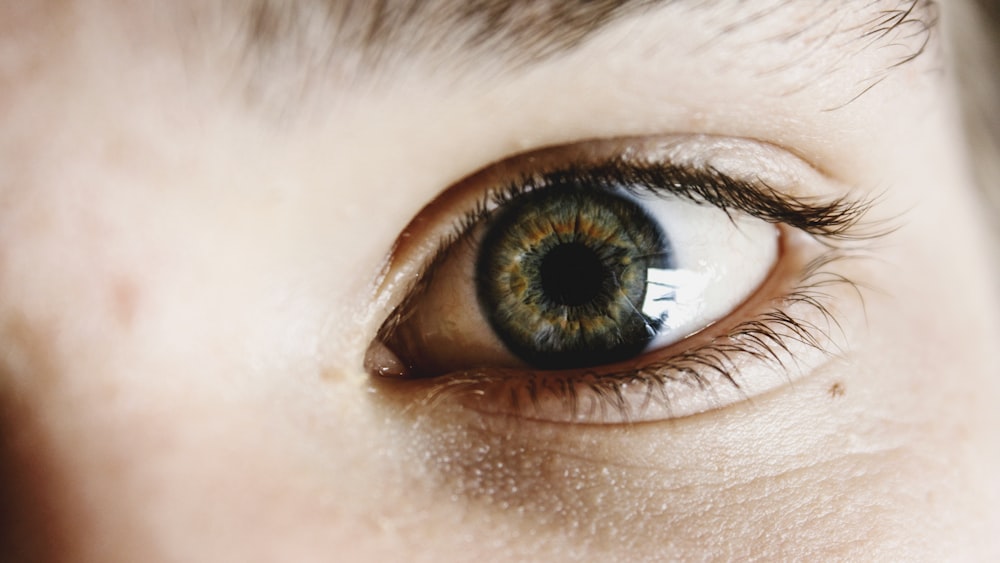
right human eye
Source: Liam Welch via Unsplash

What would usually cause myokymia? Like you may expect, many lifestyle choices impact your risk. Eyelid twitching can be caused by:

  • Stress
  • Fatigue
  • Irritation of the eye
  • Allergies
  • Alcohol
  • Bright lights
  • Excess caffeine
  • Smoking
  • Change of diet
  • New medication

To lessen your chances of having this annoyance in your life, be sure to take care of yourself and rest your eyes regularly. If you are going to be looking at a bright screen for an extended period, make sure to look away every once in a while. You can also apply hydration eyedrops before doing so.

What can I do to relieve my symptoms?

If you are experiencing myokymia already, you can ease the discomfort by gently massaging the area. Cold compresses with a towel would also help relieve the symptoms, and we would also advise the following:

  • Tonic water with quinine (a muscle relaxant)
  • Magnesium-rich foods such as avocados, nuts & seeds, and various whole grain foods

If your myokymia becomes more serious, you can also Botox treatment. If the condition doesn’t go away within a few days and occurs more frequently, it would be best to seek advice from your medical doctor or optometrist. It’s never a bad idea to double-check and make sure it isn’t part of anything serious!

Should you have any concerns regarding your eye health, you can book an appointment with Eyelab. You can also get in touch by calling us at +1 (604) 260-1166 or via email at frontdesk@helloeyelab.com.

Photo by Sigmund/ Unsplash

The cornea plays a crucial role in focusing light onto the retina. In individuals with keratoconus, the cornea progressively thins and bulges, taking on a cone-like shape. As a result, vision becomes distorted and blurry, often accompanied by nearsightedness and astigmatism.  

Symptoms

Keratoconus doesn’t appear overnight; rather, it develops gradually, usually during adolescence or early adulthood. As the condition progresses, several symptoms become noticeable:

  1. Blurry and Distorted Vision
  2. Light Sensitivity
  3. Prescription Changes
  4. Halos and Glare
  5. Eye Strain and Headaches

Treatment

Treatment options vary depending on the severity of the condition, but may include

  • Eye glasses
  • Soft contact lenses
  • Rigid Gas Permeable (RGP) lenses
  • Surgical interventions like collagen cross-linking or corneal transplant

If you suspect you have keratoconus or experience any unusual changes in your vision, it’s crucial to consult an eye doctor. Early diagnosis and appropriate management can make a significant difference in preserving your vision and overall well-being.

Are your ortho-K contact lenses or RGP lenses are starting to get irritating and uncomfortable? Ever feel like there is a foggy blur over your vision? Looking for an easy and effective way to deep clean your lenses? Here at Eyelab, one of our staff’s favourite products is the Progent Lens Cleaner.

How does it work?

Progent cleans lenses by loosening and removing protein deposits that build up on our contact lens over time. It effectively removes surface proteins on all ortho-K contact lenses and RGP lenses without the need for manual rubbing, which may damage the lenses. This product not only improves the comfort of lens-wear, it also helps maintain eye health and prolongs the life of your lenses. Progent deep cleans lenses much more effectively than daily cleaning products.

It comes with two solutions: Progent A (sodium hypochlorite) and Progent B (potassium bromide), which work together in an oxidation-reduction reaction to deep clean surface coatings without the abrasives or mechanical rubbing used in typical cleaning. In just thirty minutes, it effectively disinfects against all organisms that are likely to contaminate lenses, including yeast, mold, bacteria, and viruses.

Source: Menicom.com

At this point, you may be wondering how many complicated steps come with this cleaner? The easy answer is, just mix the A and B solutions, shake, and wait! Simply soak your lenses for 30 minutes – no rubbing required. By using this cleaner every 3 months (or more frequently if needed), your contact lenses can stay polished and well-maintained to better serve your vision.

In a previous post, I talked about my experience with laser eye surgery in 2014. Now, eight years later, I am extremely happy about my decision to undergo the surgery. My vision is still stable at 20/20 however I still experience dry eye from time to time.

One of the biggest pros of the surgery is being able to wake up in the morning and immediately see clearly. This surgery allowed me to tend to my twin daughters better in the middle of the night without having to find my glasses first. I also no longer have to worry about getting my contacts or glasses coming out when playing ultimate frisbee or during other physical activities. A smaller change in my life that I started to appreciate after the surgery was that I longer need to carry around microfiber cloths to clean my glasses.

However, now that I am reaching the age in which the effects of presbyopia (the gradual loss of your eyes’ ability to focus on nearby objects) becomes more prominent, I may need to use reading glasses. Overall, I am very glad I decided to get PRK and I have no regrets about it!

Book an appointment at Eyelab to learn more about whether you’re a candidate for laser eye surgery, and to discuss any questions or concerns you may have!

Are you interested in laser eye surgery but not sure if you are a suitable candidate or have doubts about the risks and side effects? Here is a general guideline about laser eye surgery to help you with your decision.

Source: Unsplash.com

Am I A Good Candidate?

  • Are you over the age of 18?
  • Is your prescription stable?
  • Is your cornea thick enough?
  • Are your eyes in good health?

If you can answer yes to these questions you are likely a good candidate for laser eye surgery!

What are the risks or side effects?

Just like all surgical procedures, there are risks. However, when performed by an experienced surgeon, the risk of complications is quite low.

The most common risks and side effects are:

  • Undercorrection or overcorrection: occurs when the refractive error was not fully corrected or corrected more than intended. Both cases can lead to blurry vision but can be fixed by an enhancement procedure.
  • Corneal haze: a clouding of the cornea during the healing process and may cause blurry vision. Corneal haze eventually disappears on its own but may take months or years.
  • Dry eye: eyes may be dry for the first few months after surgery.
  • Irritation and sensitivity to bright lights: both are extremely common after surgery and typically lasts for a few days but subsides as the eyes heal.

If you are unsure about any of these questions, please visit us for an eye exam and we can address further questions or concerns about your suitability.

One of the most common eye conditions in the world is myopia, which is the inability to clearly see distant objects. A concern with myopia progression, especially in growing children, is the increase in axial length of the eyeball which has shown to increase the risk of developing eye diseases such as glaucoma, cataract, retinal detachment and many more.

It is estimated that half of the global population could be affected by myopia by 2050. Research suggests that a greater amount of time spent on near-work activities, such as computer work, is linked to an increased likelihood of myopia. Fortunately, there is a unique and innovative solution available: HOYA’s MiyoSmart lenses! They are a non-invasive, effective option for managing myopia progression.

Source: HOYA Vision

How do they work?

MiyoSmart lenses are corrective lenses that use Defocus Incorporated Multiple Segments (DIMS) technology. The center of the lens corrects refractive error to improve distance vision, and the peripheral honeycomb-pattern maintains constant myopic defocus.

Source: HOYA Vision

Providing clear vision simultaneously with constant myopic defocus has been clinically demonstrated to inhibit eyeball elongation and slow down myopia progression. In fact, one study found that participants wearing MiyoSmart lenses with DIMS technology had, on average, a 59% reduction in myopia progression. They are made of impact-resistant materials and offer 100% UV protection, perfect for anybody with an active lifestyle!

If you have any questions about MiyoSmart lenses, please don’t hesitate to contact us! Our doctors would be happy to discuss the benefits of MiyoSmart lenses with you.

Most parents always inquire tips on how to help their children with their screen time. Here are a couple of recommendations we always share with our patients.

  1. Spend 2 hours a day outdoors (Studies have shown it can slow down the initiation of myopia progression)
  2. Spend less than 1 hour of screen time per day if it is not related to school work.
  3. Proper lighting. Make sure your room eliminates any glare from external sources such as the windows.
  4. Blink! We usually blink about 15 times a minute. When we are performing a near task, we blink about 3 times a minute which can cause dry eye/irritation to our eyes.
  5. Monitor placement. Make sure your computer is 15-20 degrees below eye level and your computer is approximately 40-75cm away
  6. Avoid reading or using a cell phone in bed.
  7. Practice the 20/20/20 rule. 20 minutes close up work, 20 seconds break and look at an object at least 20 feet away.

If you are worried about your child’s vision or eye health, please book an appointment with us.

We can help!

Photo by bady abbas on Unsplash

Of the many patients that have visited me with their main complaint being about a burning sensation in their eyes or their eyes feel very dry, most of them typically have clogged oil glands. A portion of my patients have been previously misdiagnosed with blepharitis when it was actually Demodex. What is Demodex? It is a mite that resides in the eyelashes’ hair follicles which causes itchiness, scaling of the eyelids, irritation and recurrent styes.

How did I get them?

It’s part of our normal flora – some patients will experience more and some less. It isn’t something we can completely get rid of, but we can manage it. When the population hits a critical mass, this is where we see problems arising in our ocular system.

What can we do?

The best treatment is a course of tea tree oil to manage and limit the population. We use Cliradex and products from We Love Eyes to help clear these mites. Most of these treatments take about 5 weeks. The treatment plan consists of the initial 2 weeks to kill the mites and then latter 3 weeks to kill the rest of the eggs.

If you are suffering from dry eyes, come by for an evaluation. Our doctors are able to help assist your dry eyes.

During COVID 19, there has been an overall increase in screen time whether or not it is for online learning or recreationally. As health officials have been advising families and individuals to stay indoors, a majority of us have resorted to using our cell phones, computers, television as a main source of entertainment. For growing children, this has contributed to an overarching issue of children spending too much time on screens and not giving their eyes enough break. With limited activities and what seems like countless hours, most parents have trouble planning activities for their children. Therefore, we have derived a list of activities that may prevent your child from spending an extensive amount of time looking at screens.

For Children:

  1. Play-Doh
    It can be a little bit messy but my twin girls can spend hours creating objects with their imagination.
  2. Indoor Camping
    With the weather starting to get wet, imagine transforming your living room into a tent city.
  3. Have an early Easter egg hunt inside the house.
  4. Obstacle relay course
    Your child will have to navigate through chairs, balancing an egg on a spoon and etc. You can make it easy or as difficult as you want.
  5. Hide and Seek
    Children love it when they think they can fool their parents.
  6. Arts and Craft
    On top of helping/training your child’s hand eye coordination especially with cutting with scissors and gluing, this exercise will open many channels in the brain for their imagination/creativity.
  7. Family board games
    There are many board games that can challenge our creativity, intelligence, and strategy-thinking which can both stimulate learning while strengthening family bonds.

For Older children/Teenagers:

  1. Sign up with a prep meal so you and your teenager can cook together. Sometimes it’s fun to cook something together as a family.
  2. Baking
    Now it’s a good time to start bake delicious goodies like cinnamon buns, banana bread, and artisan sourdough bread.
  3. Look through old albums or memorabilia
    Learning about your family’s history is a fun way to reconnect to your family roots.
  4. Winter Gardening
    Your teenagers can grow indoor crops like herbs, greens, microgreens and even cherry tomatoes.
  5. Adopt a pet
    Not all parents would love this idea, but allowing your child to grow up alongside a pet will teach companionship as well as the responsibility it takes to raise one.

If you have other ideas, please share with us. I’m sure our followers would love to know.