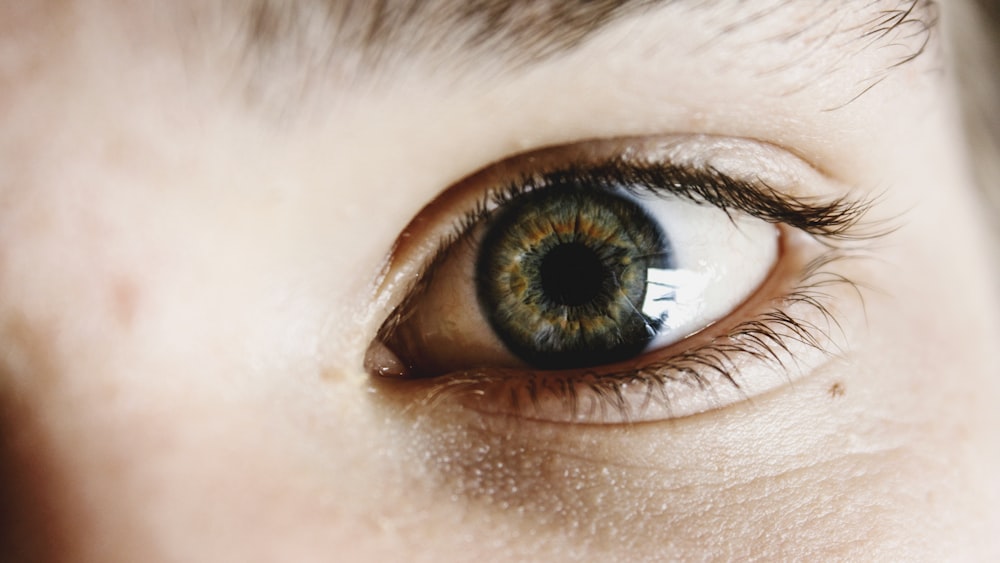
拍摄者 Pascal Chanel不飞溅

Tearing

Tears are needed to keep the eye’s front surface healthy and to maintain clear vision. It is
common to temporarily produce excess tears when you are emotional, laughing, coughing,
vomiting, experiencing strong taste sensations, or yawning.

Types of Tears

photo credit: allaboutvision.com

Different types of tearing consist of basal tears, emotional tears, and reflex tears. Basal tears are your basic functional tears. They are released in tiny amounts to lubricate your ocular surface and keep it clear of any dust. These are vital for good vision and comfort. Emotional tears are triggered by strong feelings such as joy or sadness. Reflex tears result from irritation in the eye by foreign bodies, or from the presence of irritant substances in the environment. They can also occur with bright lights hot or peppery stimuli to the tongue and mouth, when we yawn, cough or even vomit. These types of tears are released in larger amounts than basal tears. Their goal is to protect one’s eye.

How can I have Dry Eyes if my eyes are so watery?

The two common causes of watery eyes are blocked tears ducts and excessive production of tears. The common cause of excessive production of tears is dry eye syndrome. This occurs due to the glands around our lid margins not producing enough oil resulting the tears drying up very quick. This lack of lubrication results in our eyes producing an abundance of tears to compensate.

拍摄者 Lensabl不飞溅

If I’m careful with cleaning, can I wear my dailies for more than 1 day?

Daily disposables are thinner and are made of a material that is not made to resist bacteria and buildup. So, if you try to clean or disinfect these thin lenses you may actually create breaks instead, further increasing infection risk. Using a compatible brand of soft contact lens rewetting drops to hydrate your daily disposables for comfort is acceptable.

What happens if I wear dailies for more than 1 day?

Wearing daily disposable contact lenses more than once puts you at risk for discomfort, dryness, corneal ulceration/scarring, and eye infections.

Differences between Dailies, Bi-weeklies, and Monthlies

Dailies are worn only for one day and discarded when you remove them, these are typically very thin and have a high water content. Natural deposits from your eyes build up easily on their surface, and they cannot be reused. This could mean more convenience but also, depending on how often you replace them, more costly.

Monthly or bi-weekly contact lenses are thicker than daily disposables. The thicker composition makes them more durable and long-lasting, and they are usually more resistant to drying out. However, they must be disinfected regularly in order to ensure healthy wearing.

photo credit: drtavel.com

Cosmetic contact lenses or colored contact lenses may seem harmless but can lead to severe eye problems or loss of vision if not fit by an eye specialist. You need to have a prescription for contact lenses as they are deemed medical devices by the U.S. Food and Drug Administration (FDA). Non- prescription contacts can create problems due to issues such as poor fitting or unclean packing/creation.

When contact lenses not specifically fitted and sized for your eyes are worn, the cornea may be scratched, potentially leading to the following:

  • Painful corneal abrasion
  • Decreased vision
  • Redness, soreness, itching
  • 对光敏感
  • Allergic reactions
  • Corneal ulcers

Eye infections are also very common in non-prescribed contact lenses and may lead to the following:

  • Persistent eye pain
  • Decreased vision
  • 对光敏感
  • Discharge from the eye (this could be green/yellowish mucus like or more watery)

Discussing your options and proper contact lenses hygiene with an eye care professional, having the
proper measurements of your eyes taken, and getting a valid prescription is an easy way to avoid these
potentially life changing complications.

photo credit: Unsplash/pawelskor

Your visual field refers to the area in which you can see objects in all directions as you focus on a single central point. This test of your peripheral vision is simple, painless, and vital in diagnosing and tracking the progress of health conditions.

Are there different types of Visual Fields?

Confrontational Visual Field Test: The patient looks at an object in front of them with one eye covered. While looking at this object the patient will be asked how many fingers they see the doctor holding up in the patient’s periphery.

photo credit: morancore.utah.edu

Automated static perimetry test: The patient looks in the center of a bowl-shaped instrument called a perimeter. Lenses are placed in front of the patient’s tested eye while the other is covered with an eye patch. While looking at the center target, several flashes of light will appear in the patient’s periphery at which point they will use a clicker to indicate when they see them.

photo credit: healthjade.net

Kinetic visual field test: Similar to above but now moving light targets are used instead of blinking lights.

Who needs a Visual Field Test?

Visual fields can be helpful in diagnosing, treatment plans for, and monitoring various conditions such
as:

  • 青光眼
  • Multiple sclerosis
  • Thyroid eye disease
  • Strokes
  • Finding blind spots (scotomas)
  • 糖尿病
  • 高血压

Depending on your situation you may be recommended to take a visual field test again in a few weeks, a
few months, or a year.

Many people have experienced styes or have at least heard of it. But what really is a stye? How can we prevent or treat them?

Photo credit: Cleveland Clinic

A stye is a bacterial infection which involves one or a few of the glands at the base of your eyelashes. Often, it resembles a boil or a pimple, it may have a white head and be tender to the touch. Styes can be caused by buildup of Meibomian gland secretions or be idiopathic in nature (unknown cause). In rare worst-case scenarios, recurrent styes in the same spot can be a sign of sebaceous gland carcinomas.

It’s important to maintain good eyelid hygiene by using eyelid cleansers and warm compresses daily. This not only helps to prevent styes, but also alleviates symptoms related to dry eye and eyelash mites.

With styes, patients typically notice pain and discomfort that disappears within a few days. However, more serious cases can develop into pre-septal cellulitis with progressively worsening symptoms and require antibiotics.

Warm compresses help to speed up recovery and relieve discomfort, but if you don’t see improvements after 48 hours, you’ll want to contact your optometrist.

Photo credit: Casey Horner不飞溅

Retinitis pigmentosa (RP) is an inherited eye disorder that affects the retina – the back of our eyes responsible for capturing light and sending visual signals to the brain. The condition, which is inherited through genetic mutations, can lead to gradual loss of vision as the photoreceptor cells within the retina deteriorate over time. While some individuals may experience slow vision loss over decades, others might face more rapid deterioration.  

Symptoms

One of the most distinctive symptoms of RP is night blindness, where individuals struggle to see in low-light conditions or darkness. As RP progresses, it often causes tunnel vision, a narrowing of the visual field, and can even impact color perception.  

Treatment

No cure currently exists for RP, but researchers are actively exploring possibilities. Gene therapy aims to introduce normal genes into the retina to replace the mutated ones. Another avenue of research is retinal implants, which seeks to restore vision by using electronic devices to stimulate the remaining normal cells.  

Individuals with RP should work closely with eye care professionals to manage their condition. Regular eye exams help track disease progression and determine the best strategies for preserving vision. Additionally, patients can explore low-vision aids and technologies that improve daily life.

What is Myokymia?

Have you ever been going about your daily life when your eyes decide to give you a bad day? Have you ever experienced that annoying twitch in your eye that just won’t go away?

Eye twitching, or myokymia, is a relatively common condition. They are involuntary twitches and spasms in either your upper or lower lid, usually affecting only one at a time. Sometimes, they might not even be noticeable! Myokymia will usually go away on their own in a short amount of time.

right human eye
Source: Liam Welch via Unsplash

What would usually cause myokymia? Like you may expect, many lifestyle choices impact your risk. Eyelid twitching can be caused by:

  • 压力
  • Fatigue
  • Irritation of the eye
  • 过敏
  • Alcohol
  • Bright lights
  • Excess caffeine
  • Smoking
  • Change of diet
  • New medication

To lessen your chances of having this annoyance in your life, be sure to take care of yourself and rest your eyes regularly. If you are going to be looking at a bright screen for an extended period, make sure to look away every once in a while. You can also apply hydration eyedrops before doing so.

What can I do to relieve my symptoms?

If you are experiencing myokymia already, you can ease the discomfort by gently massaging the area. Cold compresses with a towel would also help relieve the symptoms, and we would also advise the following:

  • Tonic water with quinine (a muscle relaxant)
  • Magnesium-rich foods such as avocados, nuts & seeds, and various whole grain foods

If your myokymia becomes more serious, you can also Botox treatment. If the condition doesn’t go away within a few days and occurs more frequently, it would be best to seek advice from your medical doctor or optometrist. It’s never a bad idea to double-check and make sure it isn’t part of anything serious!

Should you have any concerns regarding your eye health, you can book an appointment with Eyelab. You can also get in touch by calling us at +1 (604) 260-1166 or via email at frontdesk@helloeyelab.com.