What is Myokymia?

Have you ever been going about your daily life when your eyes decide to give you a bad day? Have you ever experienced that annoying twitch in your eye that just won’t go away?

Eye twitching, or myokymia, is a relatively common condition. They are involuntary twitches and spasms in either your upper or lower lid, usually affecting only one at a time. Sometimes, they might not even be noticeable! Myokymia will usually go away on their own in a short amount of time.
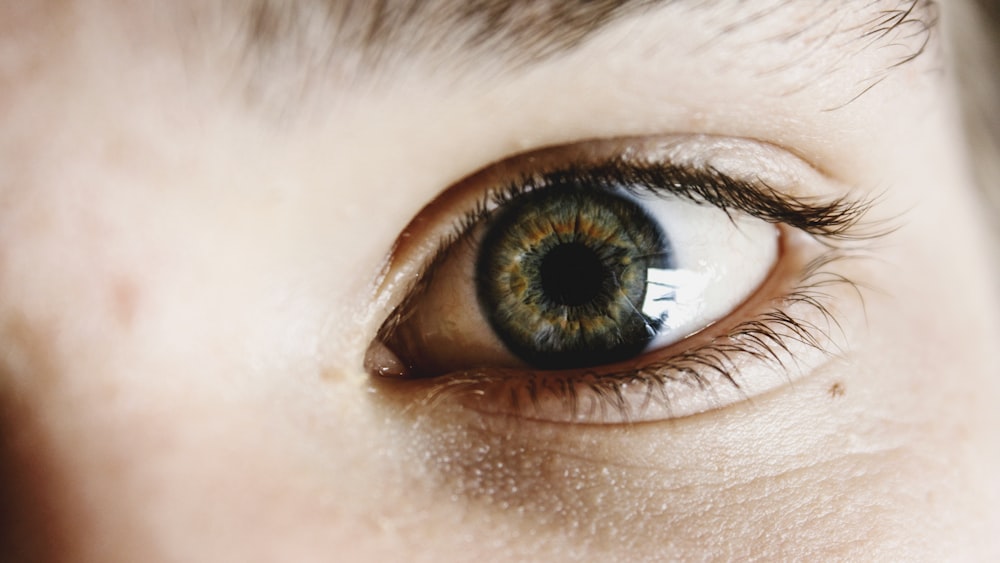
right human eye
Source: Liam Welch via Unsplash

What would usually cause myokymia? Like you may expect, many lifestyle choices impact your risk. Eyelid twitching can be caused by:

  • Stress
  • Fatigue
  • Irritation of the eye
  • Allergies
  • Alcohol
  • Bright lights
  • Excess caffeine
  • Smoking
  • Change of diet
  • New medication

To lessen your chances of having this annoyance in your life, be sure to take care of yourself and rest your eyes regularly. If you are going to be looking at a bright screen for an extended period, make sure to look away every once in a while. You can also apply hydration eyedrops before doing so.

What can I do to relieve my symptoms?

If you are experiencing myokymia already, you can ease the discomfort by gently massaging the area. Cold compresses with a towel would also help relieve the symptoms, and we would also advise the following:

  • Tonic water with quinine (a muscle relaxant)
  • Magnesium-rich foods such as avocados, nuts & seeds, and various whole grain foods

If your myokymia becomes more serious, you can also Botox treatment. If the condition doesn’t go away within a few days and occurs more frequently, it would be best to seek advice from your medical doctor or optometrist. It’s never a bad idea to double-check and make sure it isn’t part of anything serious!

Should you have any concerns regarding your eye health, you can book an appointment with Eyelab. You can also get in touch by calling us at +1 (604) 260-1166 or via email at frontdesk@helloeyelab.com.

Photo by Sigmund/ Unsplash

The cornea plays a crucial role in focusing light onto the retina. In individuals with keratoconus, the cornea progressively thins and bulges, taking on a cone-like shape. As a result, vision becomes distorted and blurry, often accompanied by nearsightedness and astigmatism.  

Symptoms

Keratoconus doesn’t appear overnight; rather, it develops gradually, usually during adolescence or early adulthood. As the condition progresses, several symptoms become noticeable:

  1. Blurry and Distorted Vision
  2. Light Sensitivity
  3. Prescription Changes
  4. Halos and Glare
  5. Eye Strain and Headaches

Treatment

Treatment options vary depending on the severity of the condition, but may include

  • Eye glasses
  • Soft contact lenses
  • Rigid Gas Permeable (RGP) lenses
  • Surgical interventions like collagen cross-linking or corneal transplant

If you suspect you have keratoconus or experience any unusual changes in your vision, it’s crucial to consult an eye doctor. Early diagnosis and appropriate management can make a significant difference in preserving your vision and overall well-being.

Photo by New Africa/ Shutterstock

Migraines are often associated with pounding headaches, but they can also affect your vision. Ocular migraines, also known as retinal migraines or visual migraines, are a unique type of migraine that primarily manifests as visual disturbances. This means that the symptoms revolve around your eyes and the way you perceive the world around you. The visual disturbances associated with ocular migraines are short-lived, lasting less than an hour.  

Visual disturbances can include:

  • Flickering lights
  • Shimmering or zigzag lines
  • Temporary blind spots
  • Momentary loss of vision in one eye

Triggers can include:

  • Stress
  • Hormonal fluctuations
  • Specific foods
  • Exposure to bright lights, or even distinct patterns

Although ocular migraines are relatively benign, it’s essential to distinguish them from more serious conditions that can cause similar visual disruptions, such as retinal detachment.

Always seek prompt medical attention if you experience sudden visual changes.

Photo credit: Luis Galves @louiscesar

Allergic conjunctivitis, or eye allergies, happen when the eyes react to something that irritates them. When the eyes try to defend your body from an allergen it triggers the release of histamine from mast cells. As a result, your eyes (usually the eyelids and conjunctiva) become red, swollen, watery, and itchy. You may also wake up in the morning with puffy eyes. People who have eye allergies commonly have nasal allergies as well which causes stuffy nose and sneezing. Both conditions are closely related to seasonal allergies.

What are symptoms of eye allergies?

The most common eye allergy symptoms include:

  • Itching and watery discharge (teary eyes)
  • Redness and puffy eyelids
  • Sensitivity to light

If it’s related to seasonal allergies then both eyes are usually involved. Unlike pink eyes, eye allergies do not spread from person to person.

What causes eye allergies?

Some of the common allergens include:

  • Household dust
  • pollen from trees and grass
  • pet dander
  • mold
  • Smoke
  • Chemical scents such as detergents or perfume

Allergic reactions to perfume, cosmetics or drugs can also cause the eyes to have an allergic response. Some people may have an acute allergic reaction to a new facial product or an eye drop.

Sometimes, the eyes can react to other allergens that don’t necessarily come in direct contact with the eye. These can include specific foods or insect bites or stings.

Most allergic conjunctivitis can be treated with oral or over the counter antihistamine medication, anti-allergy eye drops, or steroid eye drops.

However, not all red and itchy eyes are caused by allergic conjunctivitis. Some people may think they have an eye allergy but in fact they have dry eyes or other types of inflammations. It is important for you to visit your eye care provider to get the proper diagnosis and treatment for your problem.

To improve your overall eye health during these difficult times, it is important to take care of your diet. In the average American diet, there is an excessive amount of omega-6 which we get from processed food. The body’s inflammatory response is impacted by the amount and balance of omega-3 to omega-6 in the cell membrane. To balance that out, it is important to incorporate more fish, such as salmon, arctic char, rainbow trout, tuna, and sardines into our diet. We recommend 3-4 servings of cold-water fish weekly. For vegans, algal oil, flax, chia, hemp, walnut, and avocado are great alternatives.

Source: Eyelab, Doctors of Optometry

Research has shown that the increase of omega-3 intake is beneficial to your ocular health and improve the symptoms of dry eye disease. However, not all omega-3 supplements are made equally. In order to choose the best omega-3 supplements, it is important to consider absorption and purity. Firstly, it is important to consider absorption as there are types of omega-3 that are better and more efficient. It is suggested that omega-3 supplements in the triglyceride form are easier and better for absorption compared to the ethyl ester form. Triglycerides are made of three fatty acids (such as DHA and EPA) with a glycerol backbone, whereas ethyl esters are one fatty acid attached to one ethanol molecule. A big difference is that ethyl esters are made artificially, whereas triglycerides are found in many things in nature, hence there are different chemical properties provided between the two. Most of the omega-3 supplements in the market are in the ethyl esters form.

Before purchasing a fish oil supplement, consider the amount of omega-3 fatty acids EPA+DHA, the taste of the supplement, the source (ensure to look for sustainable sources such as sardines, anchovies, wild squid, mackerels, or vegetarian sources like algae), and whether its in the triglyceride form or the ethyl ester form. Likewise, purity should be a priority to ensure the omega-3 products do not come with unwanted pollutants or heavy metals.

At Eyelab, we offer both soft gel and liquid format of pure triglyceride omega-3 equipped for your personal needs. Book an appointment with us here to learn more about how we can help you with your dry eyes!